I.K. Dairo
Biography
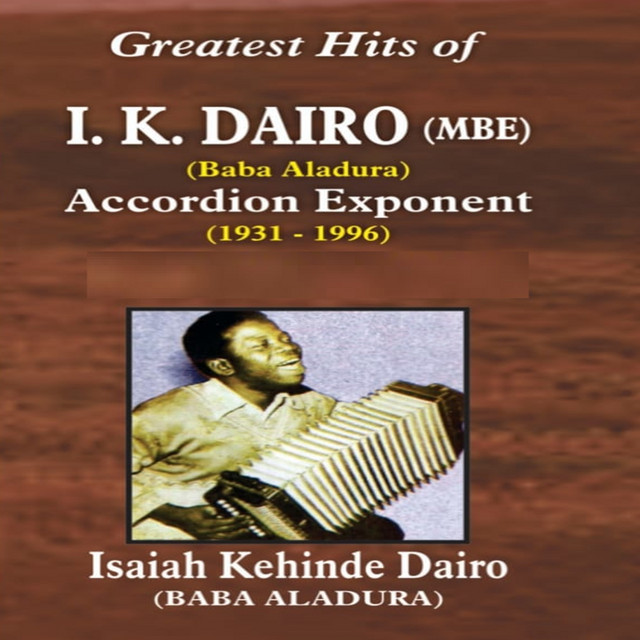
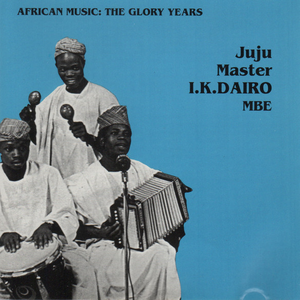
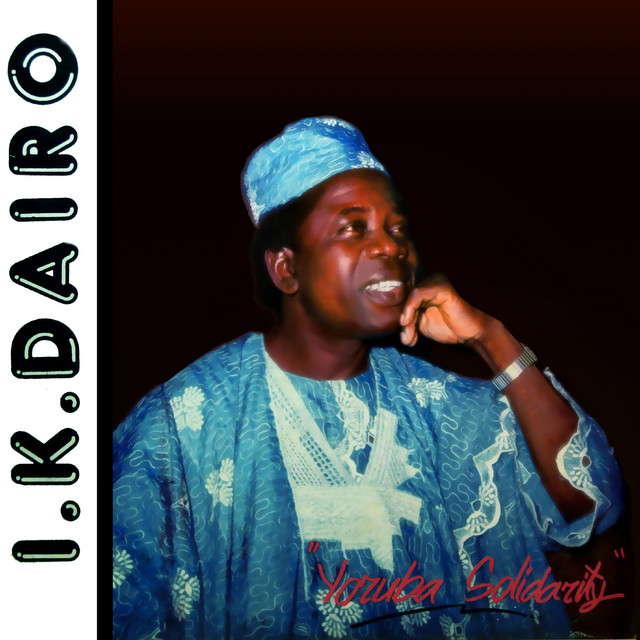
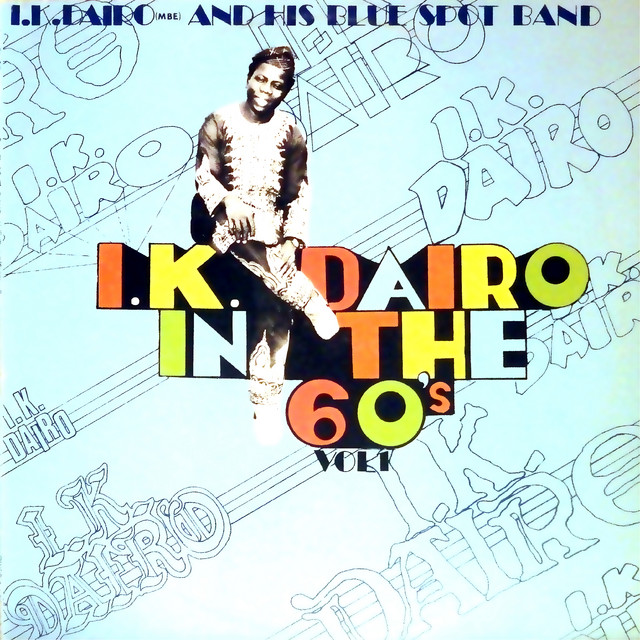
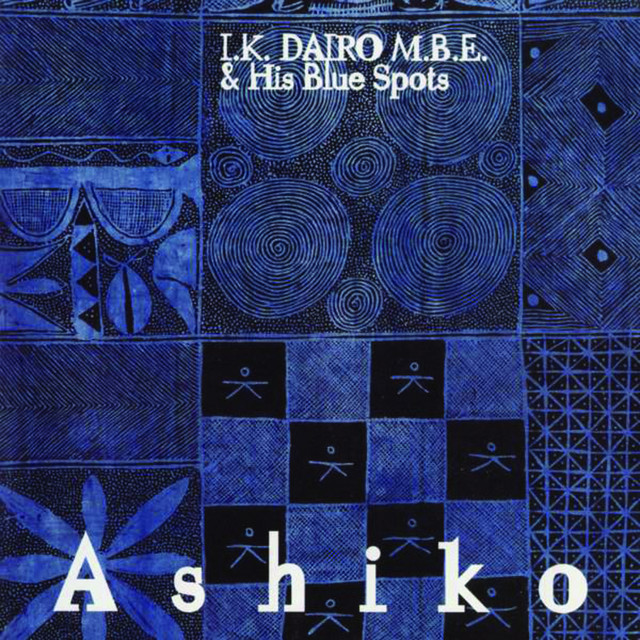
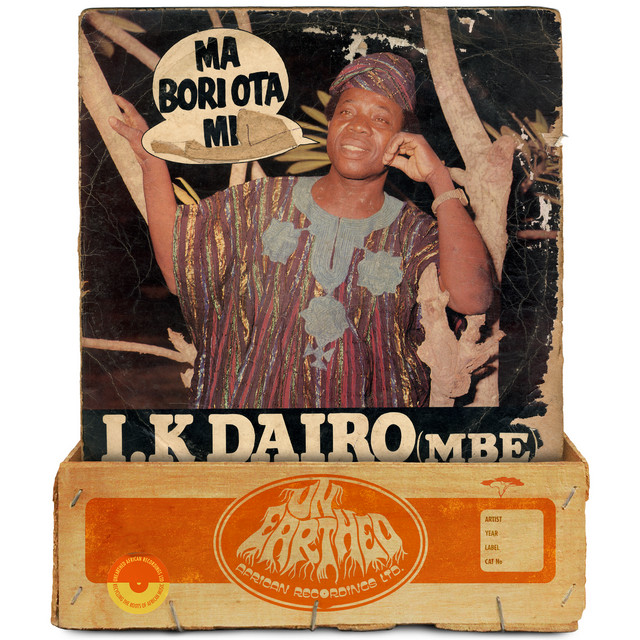
I.K. Dairo, born Isaiah Kehinde Dairo on July 16 1930 in Offa, Kwara State, was a pioneer of modern Jùjú music and the first Nigerian musician to receive an official national honour from the government. He formed the Blue Spots band in the 1950s in Lagos and developed a distinctive style that incorporated the accordion alongside traditional talking drums, giving Jùjú music a new melodic dimension that made it accessible to broader audiences. Dairo became the undisputed king of Jùjú in the late 1950s and 1960s, recording landmark albums and singles for Decca Records that achieved massive popularity across Nigeria and West Africa. His recordings Ashiko (1959) and If I Can (1963) were groundbreaking. His music captured the spirit of independence-era Nigeria, celebrating cultural identity while embracing modernity. He toured extensively in Europe and North America, bringing Jùjú music to international attention long before it became fashionable. In 1963 I.K. Dairo was awarded the Member of the British Empire (MBE) honour by Queen Elizabeth II, making him the first Nigerian musician to receive British royal recognition. He continued performing until his later years and was honoured repeatedly by the Nigerian government. He passed away on March 7 1996 in Lagos. His legacy as the father of modern Jùjú music remains firmly established, and his recordings from the Decca catalogue continue to be celebrated by musicologists and African music enthusiasts worldwide.