
Nigerian Music in the 1990s
Key events, landmark releases and cultural milestones that shaped Nigerian music from 1990 to 1999.
Key Moments
1991
Ajegunle: Lagos's underground music capital emerges
The waterfront neighbourhood of Ajegunle in Lagos became the breeding ground for a raw, street-rooted sound that mainstream radio ignored but millions lived and breathed. From tiny recording studios and open-air shows, artists like Danfo Drivers, Baba Fryo, and early rap crews built a parallel music economy.
1994
Abacha military regime imposes heavy media censorship — music industry suffers
Sani Abacha's government (1993–1998) clamped down on free expression. Radio stations were forced to self-censor, artists with political content avoided attention, and the Nigerian music industry operated under a cloud of fear. Critical voices went underground or into exile.
1995
Baba Fryo releases 'Dem Neva Rest' — Ajegunle street pop goes mainstream
Baba Fryo's hit became one of the earliest Ajegunle street songs to break through to mainstream Nigerian consciousness, proving that raw, unpolished street music could find a massive audience without the backing of a formal label.
1997
The Remedies pioneer Naija hip-hop — Eedris Abdulkareem, Tony Tetuila rise from the streets
Eedris Abdulkareem and Tony Tetuila emerged from working-class Lagos backgrounds to form The Remedies, blending American hip-hop with Pidgin English and Yoruba. They proved definitively that Nigerian street voices could compete with imported American recordings.
Fela Kuti dies — a million people march in Lagos
Fela Anikulapo-Kuti died of AIDS-related complications on August 2, 1997. His funeral drew an estimated one million mourners through the streets — an extraordinary outpouring that confirmed his status not just as a musician but as a symbol of the Nigerian people's resistance.
1998
Mode 9 (Damian Rucker) begins establishing his reputation as Ajegunle's lyrical king
Mode 9 rose from Ajegunle's underground rap scene to become widely regarded as one of the greatest lyricists Nigeria has ever produced. His complex, multilayered wordplay in English, Pidgin, and Yoruba — delivered at breakneck speed — made him a revered figure in underground circles years before mainstream recognition.
1999
Return to democracy — radio liberalisation opens doors for underground artists
The transition to civilian rule under Obasanjo in 1999 brought partial media liberalisation. New independent FM radio stations began programming local music — particularly from Ajegunle and street pop scenes that had been invisible during military rule.
Notable Releases (1990–1999)
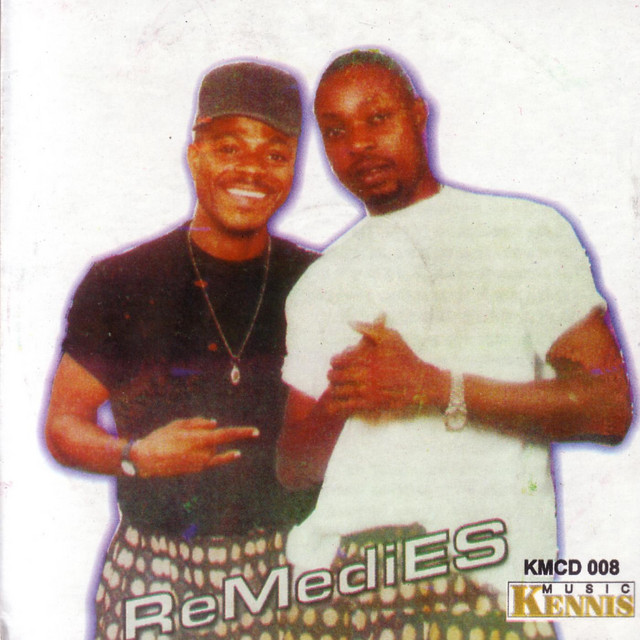
Peace Nigeria
Remedies
album · 1999
Shoki Remixed
Femi Kuti
album · 1999
Born In Africa
Seyi Sodimu
album · 1999
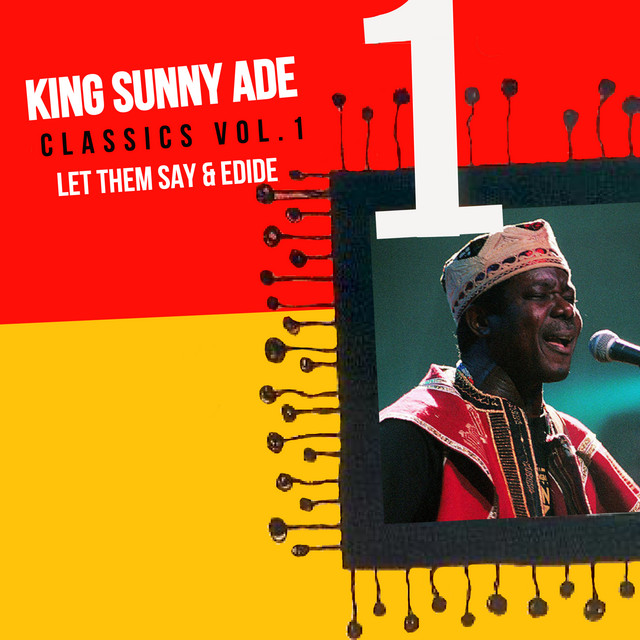
Classics, Vol. 1: Let Them Say & Edide
King Sunny Ade
album · 1999
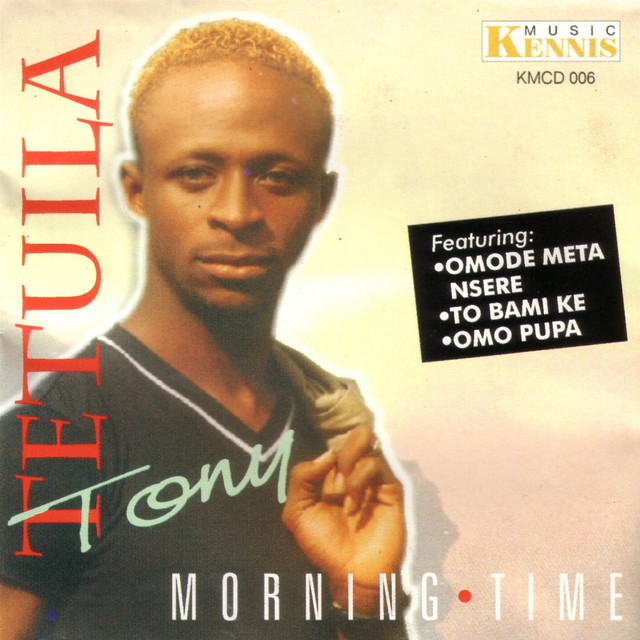
Morning Time
Tony Tetuila
album · 1999
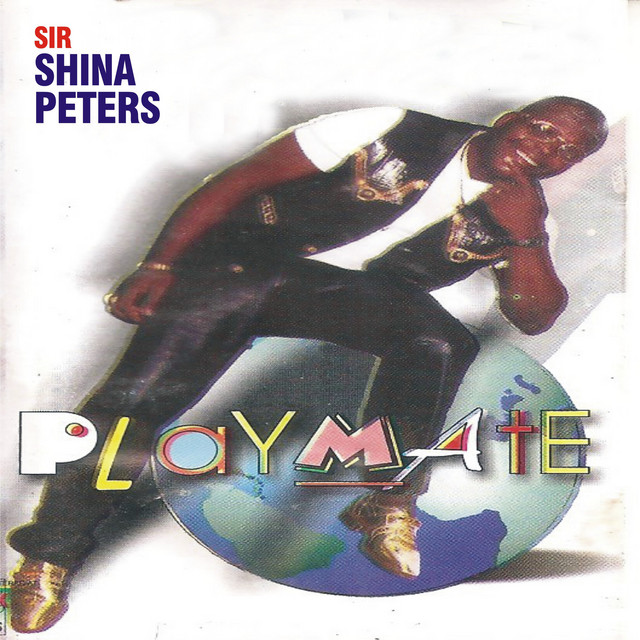
Playmate
Sir Shina Peters
single · 1999
Classics, Vol. 1: Let Them Say & Edide
Sunny Ade
album · 1999
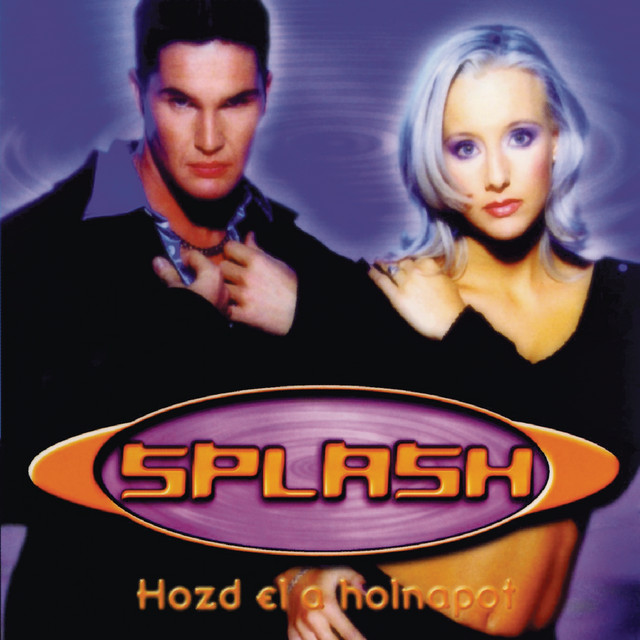
Hozd el a holnapot
Splash
album · 1999
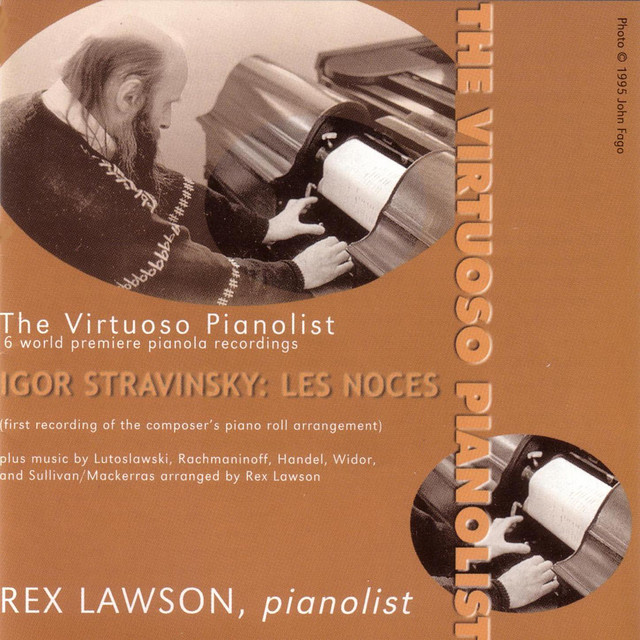
The Virtuoso Pianolist
Rex Lawson
album · 1999
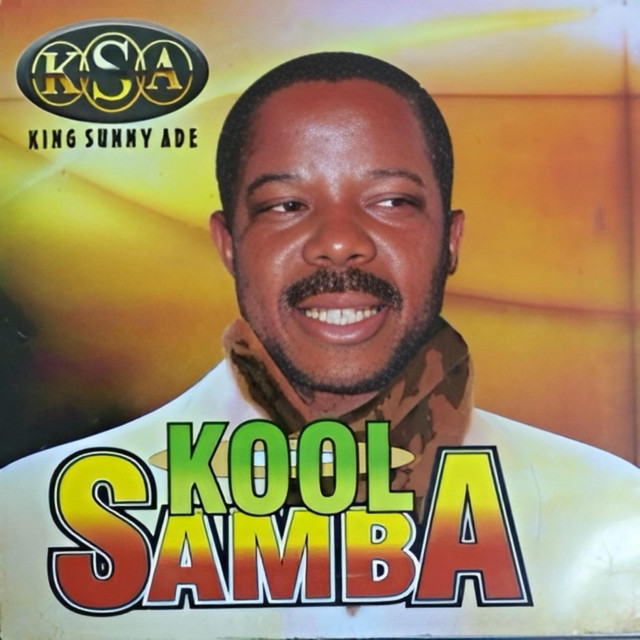
Kool Samba
King Sunny Ade
EP · 1999
Kool Samba
Sunny Ade
EP · 1999

Atorise (Reformer)
Lanre Teriba
EP · 1999
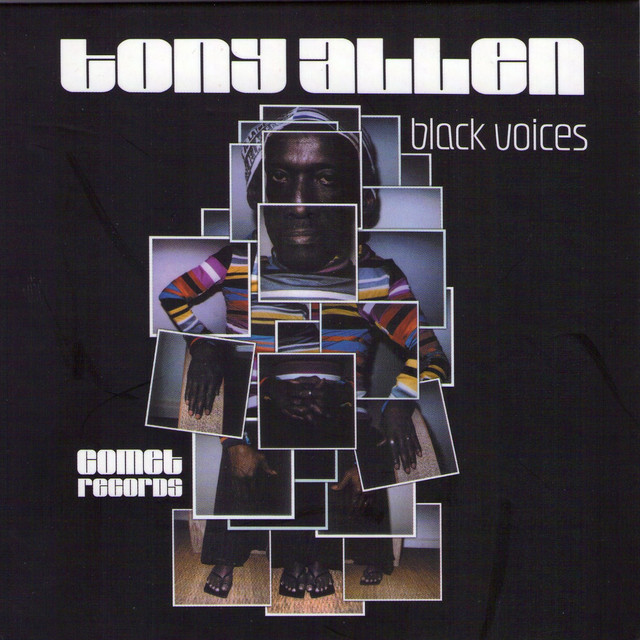
Black Voices
Tony Allen
album · 1999
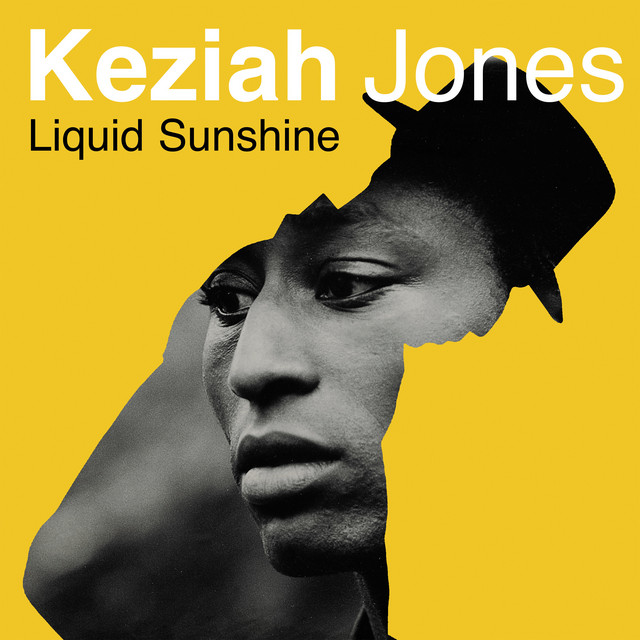
Liquid Sunshine
Keziah Jones
album · 1999
🎵
The Sound of the Moment
King Sunny Adé
album · 1999
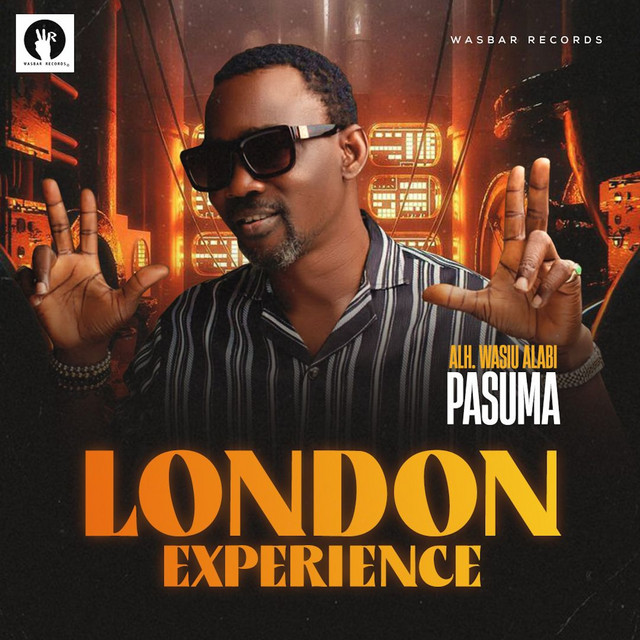
London Experience
Pasuma
EP · 1999
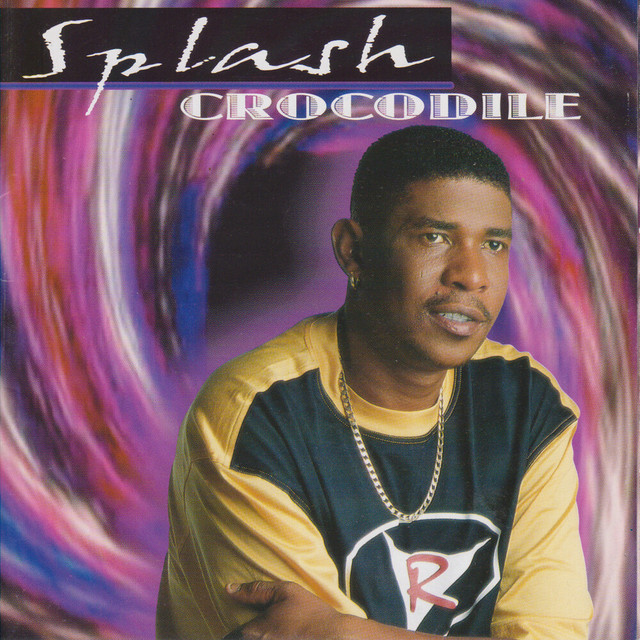
Crocodile
Splash
album · 1999
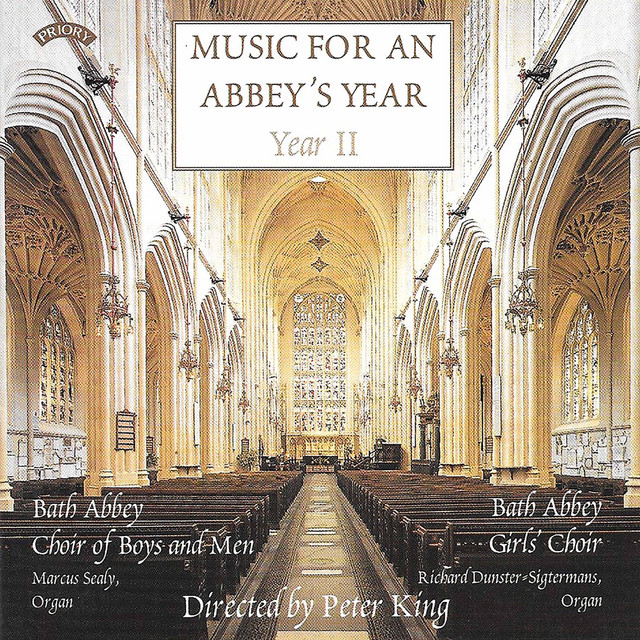
Music for an Abbey's Year, Year II
Peter King
album · 1998