
Nigerian Music in the 2000s
Key events, landmark releases and cultural milestones that shaped Nigerian music from 2000 to 2009.
Key Moments
2000
Ruggedman (Michael Ugochukwu Stephen) releases his debut — Ajegunle rap goes harder
Ruggedman emerged from Ajegunle with a rawer, more combative style than his peers. His social commentary and battle-rap credentials built a loyal underground following that industry gatekeepers initially ignored — but his influence on Nigerian hip-hop's development was substantial.
2001
Danfo Drivers release 'Omo Alhaji' — Ajegunle street comedy-music is born
The Danfo Drivers — named after Lagos's iconic yellow minibuses — blended street humour, social commentary, and Yoruba Pidgin to create one of the most beloved underground acts of the era. They captured Ajegunle's rough daily life in a way polished mainstream acts never could.
2003
Terry G (Gabriel Oche Amanyi) builds his street reputation in Benue and Lagos
Terry G — part of the 'Akpako' school of street-party music — began building his chaotic, high-energy performance reputation in mid-sized venues. His blend of dancehall, street pop, and Benue-inflected Pidgin would later become one of Nigeria's most distinctive sounds.
2004
2Baba's 'African Queen' — the first Nigerian video on MTV Base, a milestone for all street artists
When 'African Queen' aired on MTV Base, it was a watershed moment for every Nigerian artist who had been told their music was too local for international audiences. 2Baba's working-class Lagos roots made the win personal for the street music community.
Eedris Abdulkareem's 'Nigeria Jaga Jaga' banned from radio by the Obasanjo government
'Nigeria Jaga Jaga' was a searing critique of corruption and poverty in vivid Pidgin English. President Obasanjo personally ordered the song banned from Nigerian radio — but the ban backfired spectacularly, making it a street anthem and reviving the spirit of Fela's music-as-protest tradition.
2007
Terry G releases 'Free Madness' — defining the street pop era
'Free Madness' was an explosion of unrestrained energy — dancehall rhythms, scattered Pidgin lyrics, and an anarchic performance style that defied every convention of polished pop. The song gave Nigeria a new archetype: the proud, unapologetic street performer who answered to nobody.
2008
Mode 9 releases 'Mode 9 vs. The World' — cementing underground rap's place in Nigerian culture
Mode 9's battle-rap mastery and lyrical dexterity on this project demonstrated that Nigerian hip-hop could achieve artistic depth that rivalled anything produced globally. He remains the standard-bearer for technical excellence in Naija rap.
2009
Salawa Abeni — the Queen of Waka music — is celebrated after decades of pioneering
Salawa Abeni, who had been recording since the 1970s and whose Waka music blended Islamic Yoruba devotional music with popular entertainment, was belatedly recognised as a pioneer whose influence on Nigerian female artistry had been systematically undervalued.
Notable Releases (2000–2009)
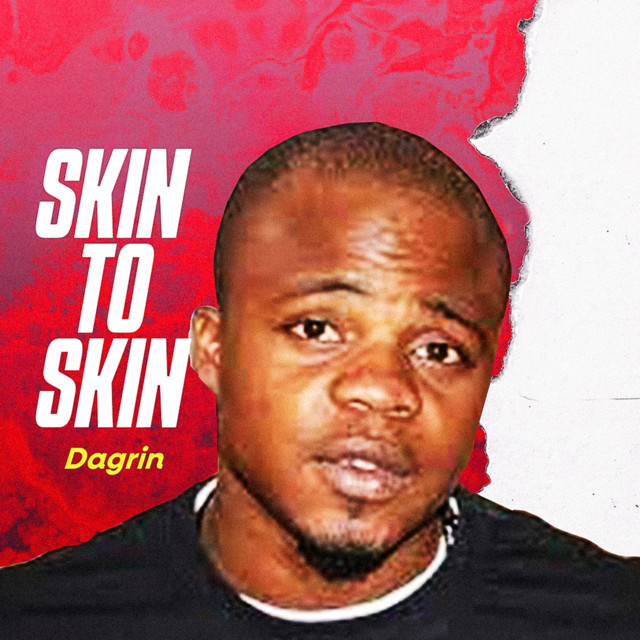
Skin To Skin
Da Grin
single · 2009
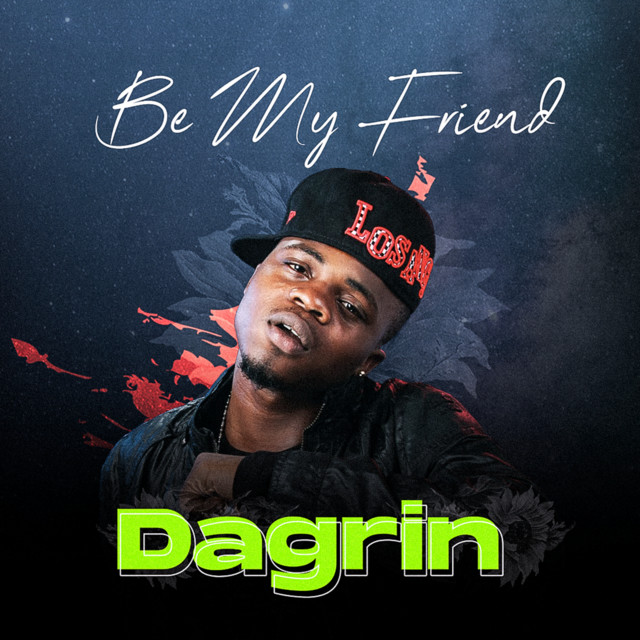
Be My Friend
Da Grin
single · 2009
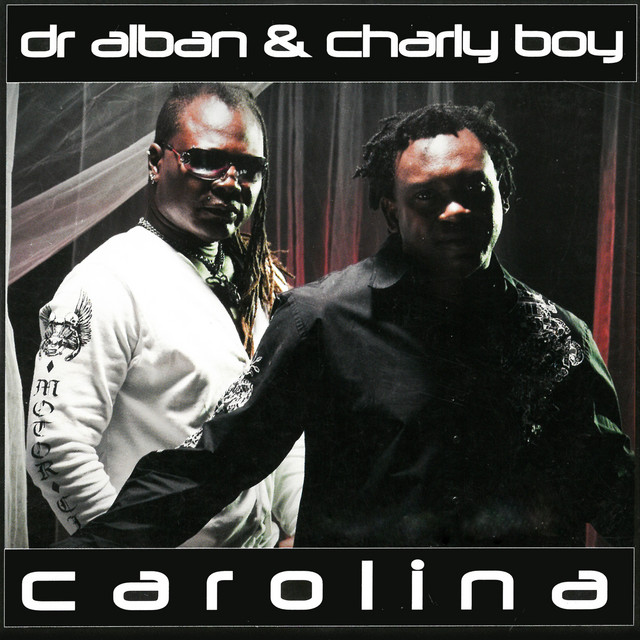
Carolina
Charly Boy
single · 2009
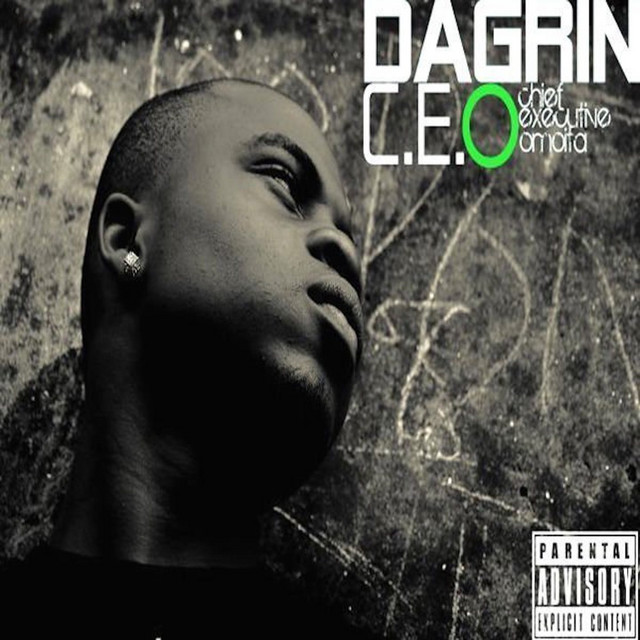
C.E.O
Da Grin
album · 2009
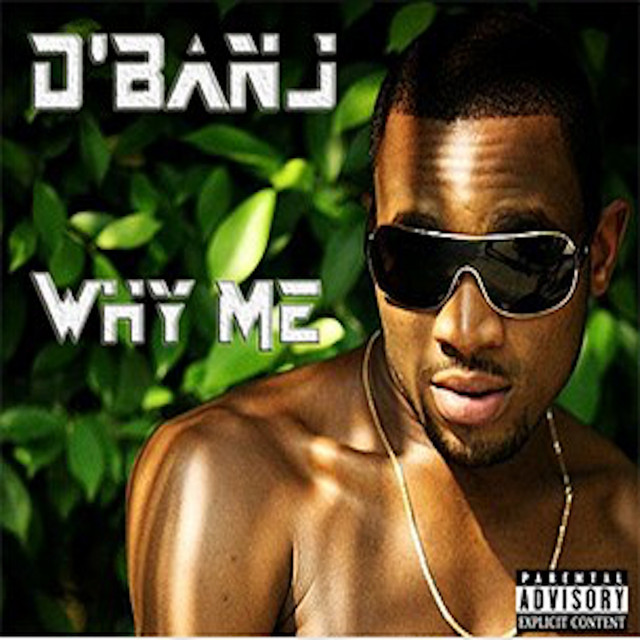
Why Me (Remix)
D'banj
single · 2009
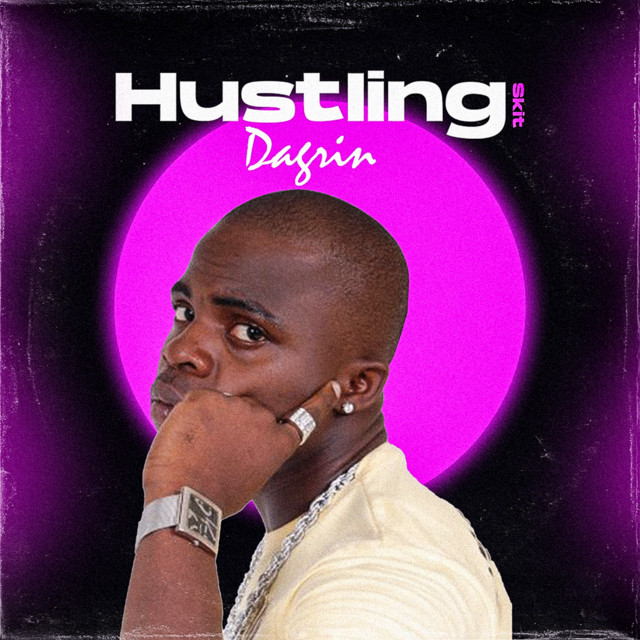
Hustling (Skit)
Da Grin
single · 2009

unDAREYted
Darey
album · 2009
Lost Boys
M.I.A.
album · 2009
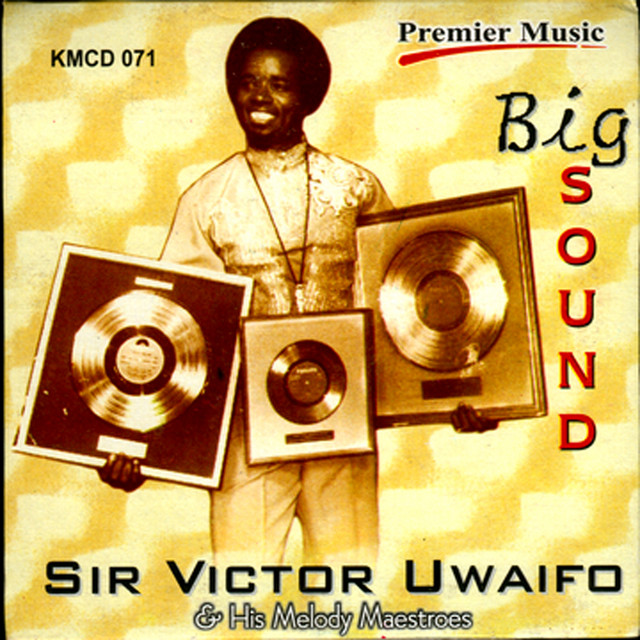
Big Sound
Victor Uwaifo
album · 2009
🎵
12:45
Ruggedman
album · 2009
🎵
Akpako Master
Terry G
single · 2009
🎵
Naughty (ft. Olu Maintain)
Dr. SID
single · 2009
🎵
Free Me
Terry G
single · 2009
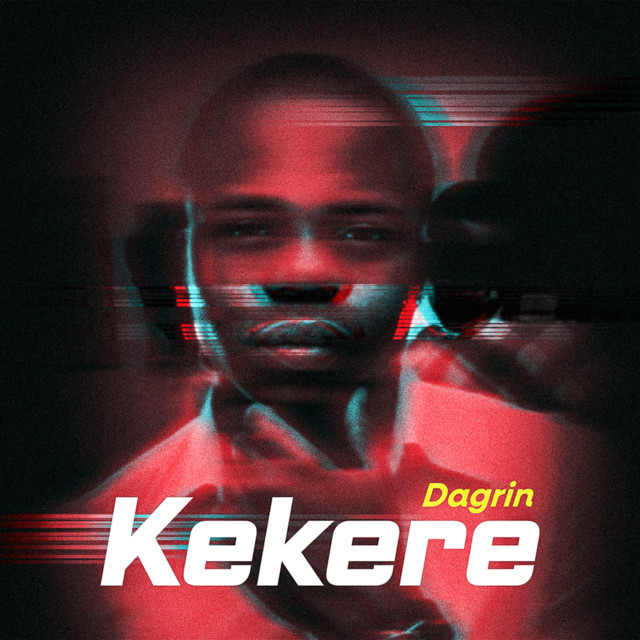
Kekere
Da Grin
single · 2009
Hood
Burna Boy
single · 2009
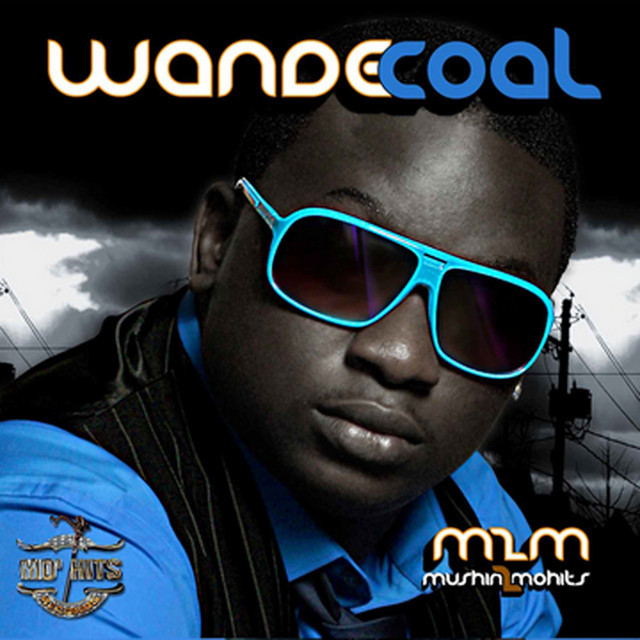
Mushin 2 Mo' Hits
Wande Coal
album · 2009
🎵
Talk About It
Ikechukwu
album · 2009
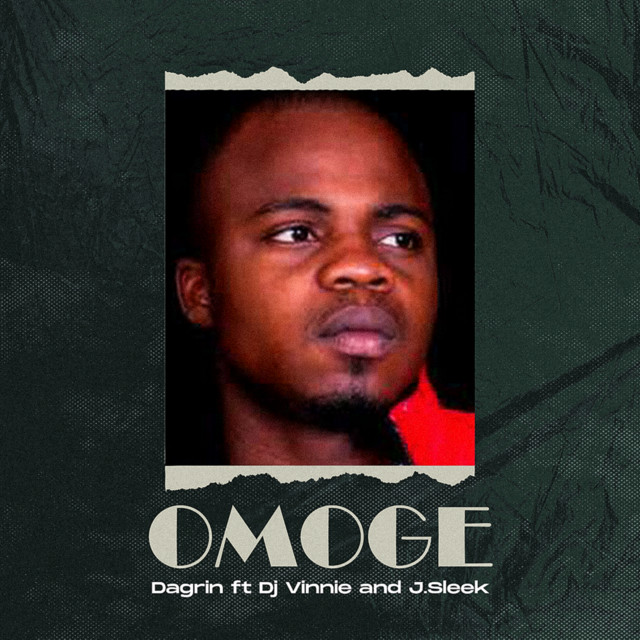
Omoge
Da Grin
single · 2009